


Widziałeś reklamy urządzeń, które chwalą się czasem zabiegu wynoszącym zaledwie 10 minut, podczas gdy inne twierdzą, że 30 minut to najbardziej efektywna dawka. Skąd wiesz, która z nich jest prawidłowa? Zanim odpowiemy na to pytanie, ważne jest, aby zrozumieć, jak dokładnie działa terapia światłem.
Dlaczego 10-minutowe zabiegi światłoterapii to chwyt marketingowy
Aby zrozumieć optymalny czas zabiegu LED, ważne jest, aby poznać podstawy dawkowania i dostarczania energii świetlnej oraz to, dlaczego czasy zabiegów tak bardzo się różnią.
Podstawy naukowe działania terapii światłem niskiego poziomu
Energia świetlna jest emitowana w postaci fotonów, które są następnie pochłaniane przez fotoreceptory w mitochondriach naszych komórek. Prowadzi to do wzrostu ATP (adenozynotrójfosforanu), czyli energii komórkowej, co z kolei wywołuje kaskadę zdarzeń metabolicznych. Ten wzrost energii jest wykorzystywany do zasilania procesów metabolicznych, które naprawiają i regenerują składniki komórkowe oraz sprzyjają mitozie, proliferacji komórek i przywracaniu homeostazy.
Terapia światłem jest coraz częściej uznawana w medycynie i estetyce za jej zdolność do zmniejszania bólu i stanów zapalnych, poprawy trądziku, stymulowania wzrostu włosów, odwracania oznak starzenia się i wspomagania nieinwazyjnego konturowania ciała. Kluczem do przewidywalnych, klinicznie istotnych rezultatów jest nie tylko samo światło, ale także sposób jego dostarczania.
Trzy fundamentalne zasady naukowe rządzą skuteczną terapią światłem:
- Dwufazowa odpowiedź na dawkę
- Prawo odwrotnych kwadratów
- Bliskość skóry
Zrozumienie tych elementów umożliwia praktykom i pacjentom wybieranie i stosowanie zabiegów, które naprawdę działają.
Optymalne okno dla leczenia
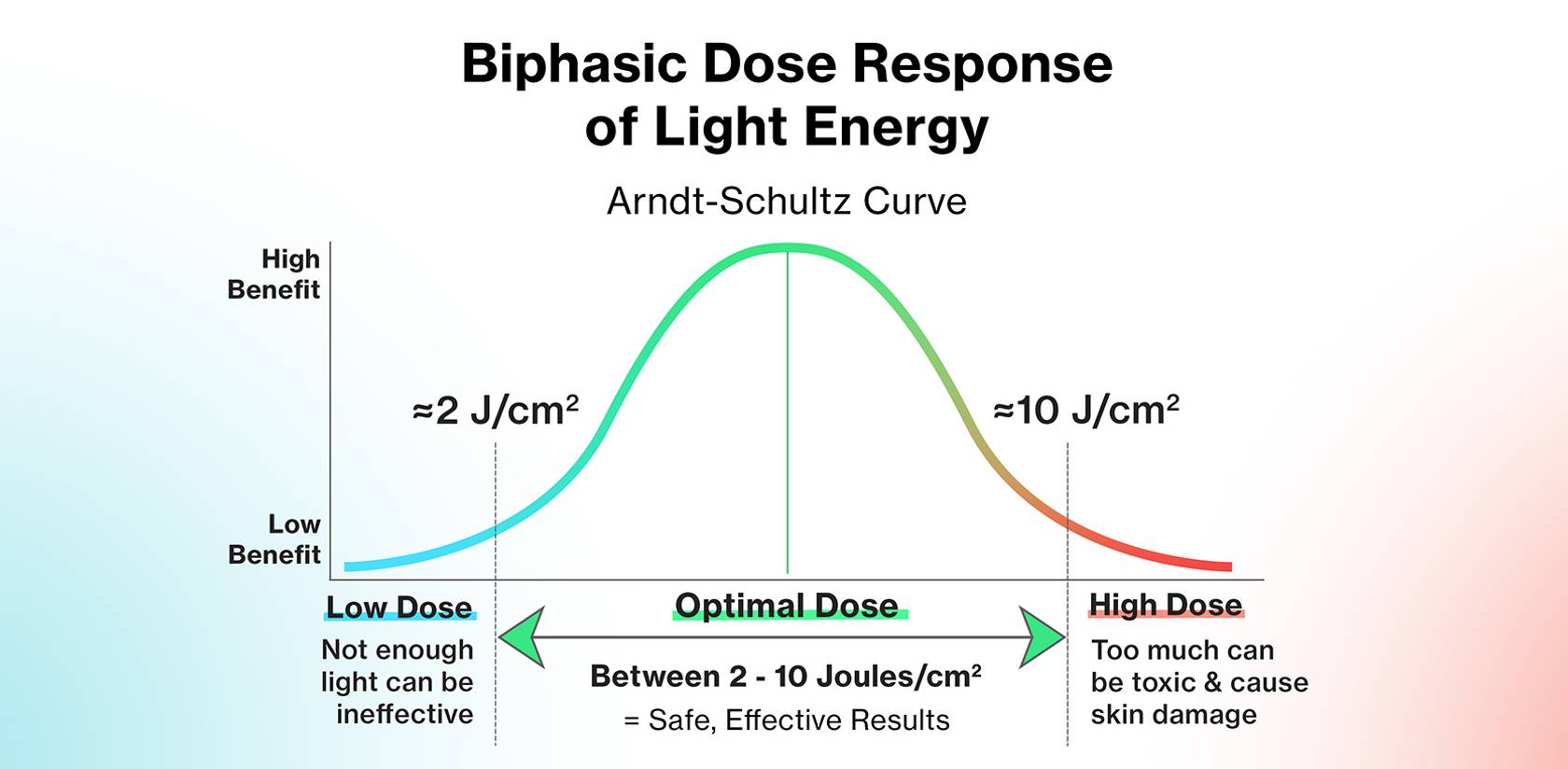
Terapia światłem wykazuje dwufazową odpowiedź na dawkę (znaną jako krzywa Arndta-Schulza), co oznacza, że niskie do umiarkowanych dawki stymulują aktywność biologiczną. Zbyt mała dawka nie wywołuje efektu, a zbyt duża może hamować, a nawet uszkadzać komórki poprzez efekty oksydacyjne. Zjawisko to zostało udokumentowane w kulturach komórkowych, modelach zwierzęcych i badaniach na ludziach.
-
Badania mechanistyczne pokazują, że niskie poziomy światła czerwonego i bliskiej podczerwieni mogą zwiększać energię komórkową (ATP), promować przeżycie komórek, modulować stany zapalne i aktywować szlaki naprawcze – podczas gdy wyższe ekspozycje energetyczne mogą tłumić te korzystne efekty. (PMC)
-
Przeglądy kliniczne potwierdzają tę samą dwufazową odpowiedź w przeciwzapalnych zastosowaniach PBM, podkreślając potrzebę pozostawania w optymalnym zakresie dawek w celu uzyskania efektów terapeutycznych. (PubMed)
Dawka energii świetlnej jest mierzona w Dżulach dostarczonych na centymetr kwadratowy. Aby wywołać odpowiedź biologiczną i korzyści terapeutyczne, dwufazowa odpowiedź na dawkę dla terapii światłem niskiego poziomu (LLLT) wynosi od 2 do 10 J/cm2.
Równanie terapii światłem LED dla właściwej dawki
Te kluczowe czynniki składają się na właściwą dawkę energii świetlnej:
- Specyficzne długości fal światła
- Gęstość mocy w określonej odległości
- Czas skumulowanego wchłaniania energii świetlnej przez komórki
Równanie: Długość fali x Moc x Odległość x Czas = Dawka
Co to oznacza w praktyce? Terapia światłem wymaga precyzyjnej dawki energii dostarczonej do tkanek docelowych, aby wywołać leczenie. Zbyt mała dawka nie aktywuje procesów biologicznych; zbyt duża może wypchnąć tkanki poza okno terapeutyczne. To stanowi podstawę, dlaczego czas trwania zabiegu, moc, długość fali i odległość mają znaczenie.
Prawo odwrotnych kwadratów: dlaczego odległość od skóry zmienia dawkę
Fizyka mówi nam, że intensywność światła szybko spada wraz z odległością zgodnie z prawem odwrotnych kwadratów — podstawową zasadą optyki:
W miarę jak światło oddala się od źródła, intensywność docierająca do powierzchni spada proporcjonalnie do kwadratu odległości.
W prostych słowach:
- Podwojenie odległości od skóry zmniejsza intensywność światła czterokrotnie
- Potrojenie jej zmniejsza intensywność dziewięciokrotnie
To nie jest twierdzenie marketingowe, to podstawowa fizyka.
Utrzymywanie urządzenia do światłoterapii bliżej skóry zapewnia, że więcej fotonów dociera do ich docelowych chromoforów w tkankach, maksymalizując efektywne dostarczanie energii bez zwiększania całkowitej mocy wyjściowej. Mniej wydajne konstrukcje, które znajdują się dalej od skóry, muszą kompensować to poprzez zwiększenie mocy wyjściowej lub wydłużenie czasu zabiegu, co może pogorszyć komfort, bezpieczeństwo lub praktyczność.
Bliskość skóry: lepszy kontakt oznacza lepszy efekt biologiczny
Interakcja światła z chromoforami komórkowymi — takimi jak cytochrom c oksydaza w mitochondriach — jest tym, co wyzwala kaskadę efektów fotobiologicznych. Badania pokazują, że:
- Wchłanianie energii świetlnej przez komórki docelowe zależy od tego, ile użytecznej energii dociera do tkanek.
- Bliższe, jednolite pokrycie całego obszaru leczenia zachowuje dostarczanie energii, na które wpływa odległość i prawo odwrotnych kwadratów.
Poprawia to wyniki, niezależnie od tego, czy celem jest:
- Zmniejszenie stanu zapalnego i bólu poprzez modulację tlenku azotu i zmienione sygnały cytokin,
- Leczenie trądziku poprzez modulowanie aktywności gruczołów łojowych i stanu zapalnego,
- Stymulowanie kolagenu i elastyny dla działania przeciwstarzeniowego, lub
- Pobudzanie aktywności mieszków włosowych i krążenia skóry głowy w celu przywrócenia włosów.
Dobry kontakt minimalizuje również „marnowaną” energię, pozwalając protokołom pozostawać w terapeutycznym dwufazowym oknie bez potrzeby nadmiernej mocy.

Dlaczego 20–30 minut to idealny czas
Skuteczna terapia światłem nie polega koniecznie na wyższej mocy, ale na dostarczeniu odpowiedniej dawki energii w odpowiednim czasie, pozostając w dwufazowym oknie terapeutycznym. Pozwala to na najbardziej efektywne, kumulatywne i korzystne wchłanianie energii świetlnej do mitochondriów komórek. Badania wskazują, że:
- Komórki potrzebują odpowiedniego dostarczania energii w czasie, aby aktywować szlaki mitochondrialne (np. produkcję ATP, zmiany ekspresji genów), które stanowią podstawę naprawy i regeneracji tkanek.
- Bardzo krótkie zabiegi mogą nie dostarczyć wystarczającej całkowitej energii, natomiast zbyt długie sesje nie doprowadzą do szybszych rezultatów z powodu ograniczeń wchłaniania komórkowego w danym okresie czasu.
- Większość protokołów klinicznych wykazujących pozytywne wyniki w zakresie bólu, stanów zapalnych, trądziku, działania przeciwstarzeniowego i innych wskazań mieści się w przedziale 20–30 minut, równoważąc efektywne dostarczanie energii z komfortem i praktycznością dla pacjenta.
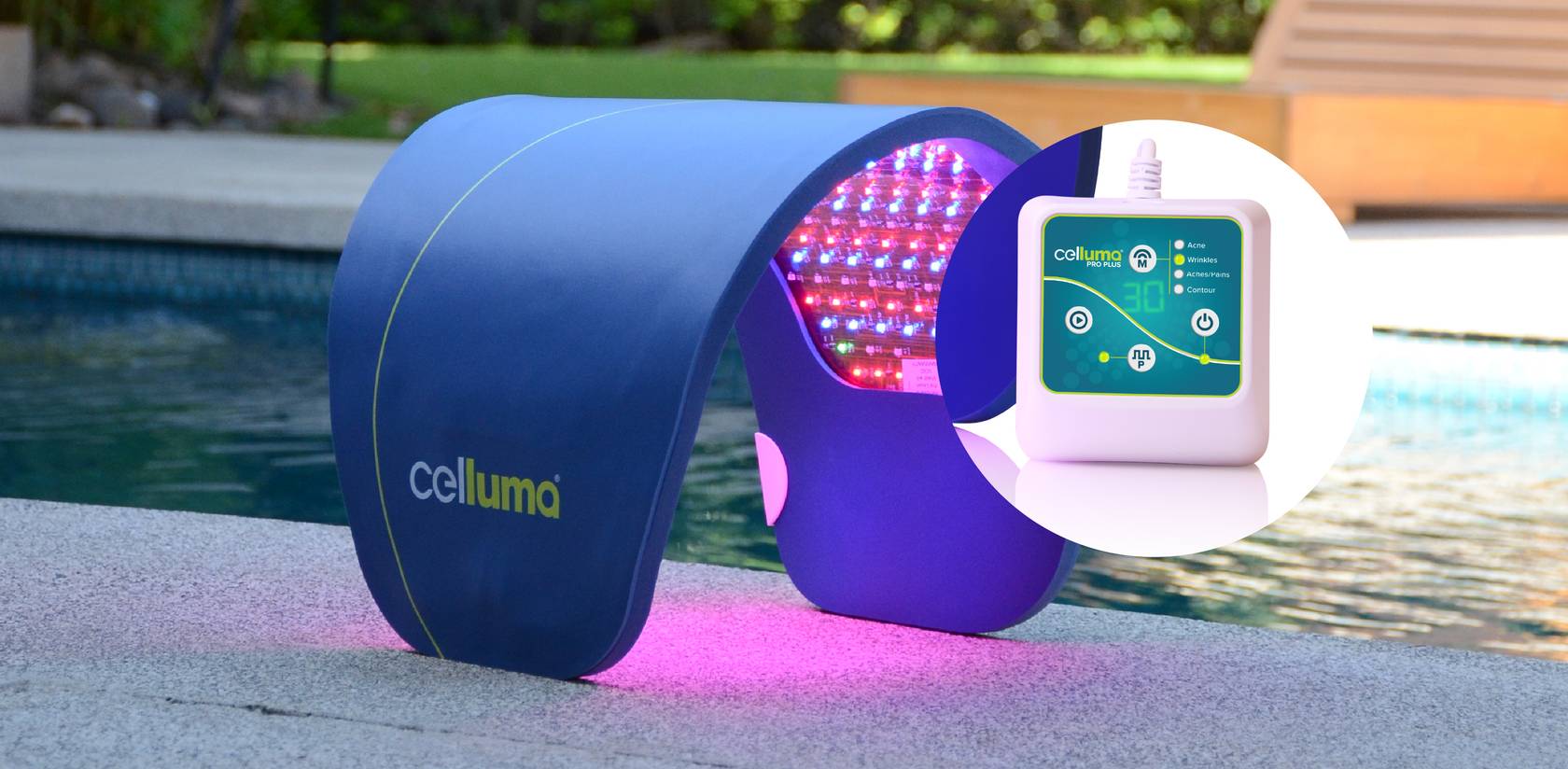
- Po 30-minutowym zabiegu Celluma komórki otrzymały optymalną dawkę energii świetlnej.
Protokoły i konsekwencja są kluczowe
Terapia światłem niskiego poziomu nie jest zabiegiem jednorazowym. Niezależnie od zalecanego czasu trwania pojedynczej sesji, musisz przestrzegać protokołu, jeśli chcesz uzyskać rezultaty. W przypadku zabiegów na zmarszczki, urządzenia Celluma LED zalecają protokół 30 minut, 3 razy w tygodniu przez 4 tygodnie, z protokołem podtrzymującym 2 razy w tygodniu. Wszystkie nasze protokoły znajdziesz tutaj.
Obalanie mitu 10-minutowych zabiegów
Spójrzmy prawdzie w oczy, czas zabiegu stał się punktem sprzedaży, gdy ktoś odkrył, że ludzie chcą rezultatów w krótszym czasie. Jeśli marka LED twierdzi, że zabiegi trwają 10 lub 15 minut, powinieneś się zastanowić, czy nie próbują po prostu zaspokoić naszych pragnień pójścia na skróty, czy też rzeczywiście mają coś, co naprawdę zapewnia oszczędność czasu i rezultaty w trakcie protokołu.
Pogromca mitów 1: Częstotliwość protokołu jest zmienna - Jeśli sprawdzisz drobnym drukiem protokoły jakiegokolwiek urządzenia LED, to jest to pierwsza wskazówka, że możesz zostać oszukany. Czy mówi, że musisz go używać codziennie, lub wiele razy dziennie? Aby zobaczyć rezultaty, nadal musisz wchłonąć określoną ilość dżuli (energii) w określonym czasie. 10 minut naprawdę nie oszczędza ci czasu, gdy musisz używać go 2 razy dziennie, każdego dnia, aby uzyskać te same rezultaty, co z innym urządzeniem.
Pogromca mitów 2: Moc i odległość są zmienne - Większość innych testowanych przez nas masek i paneli LED nie ma wystarczającej gęstości mocy, aby dostarczyć odpowiednią dawkę, nawet z bliskiej odległości. Inne panele dostarczają ogromną moc wyjściową, ale wymagają bezpiecznego i właściwego dystansowania ciała od źródła światła, aby mieściły się w dwufazowym oknie dawkowania. Chcesz czegoś, co działa i jest zawsze bezpieczne w użyciu blisko ciała.
Pogromca mitów 3: 30 minut to za długo - To zależy od Ciebie, ale uważamy, że jeśli chodzi o uzyskanie rezultatów, które nasi klienci znają i ufają, że Celluma dostarczy, to znajdują na to czas. Nauka i opinie potwierdzają, że można podzielić jeden 30-minutowy zabieg na dwie 15-minutowe sesje w ciągu dnia. Ale w naszym rozpraszającym świecie ludzkie zachowanie podpowiada nam, że lepiej jest po prostu iść dłużej i załatwić to w jednej sesji, aby zachować spójność protokołu.
Teraz, gdy rozumiesz mechanikę mocy, czasu i dawki, widzisz, że za samym czasem zabiegu kryje się znacznie więcej. Chociaż jest to tylko jedna z taktyk, które marketingowcy stosują, aby przekonać Cię, że ich urządzenie jest lepsze, oszczędzając Ci godzin czasu, mogą po prostu odwracać Twoją uwagę od kluczowych informacji ukrytych w drobnym druku.
Łącząc to wszystko
Aby zoptymalizować wyniki terapii światłem we wszystkich wskazaniach:
✔ Celuj w dwufazowe okno dawkowania z dobrze zdefiniowanym dostarczaniem energii, a nie tylko dużą mocą.
✔ Minimalizuj odległość od skóry, aby więcej energii terapeutycznej docierało do komórek docelowych, unikając utraty energii zgodnie z prawem odwrotnych kwadratów światła.
✔ Stosuj konsekwentne 20–30-minutowe sesje, które są zgodne z badaniami klinicznymi wykazującymi skuteczne odpowiedzi biologiczne, gdy optymalna dawka jest dostarczana prawidłowo i równomiernie na całym obszarze leczenia.
Skuteczność terapii światłem zależy od nauki, a nie od spekulacji. Poprzez przestrzeganie dwufazowej odpowiedzi na dawkę, wykorzystanie prawa odwrotnych kwadratów i dostarczanie światła blisko skóry w oparciu o czas leczenia oparty na dowodach, praktykujący i pacjenci mogą osiągnąć przewidywalne korzyści, od kontroli stanów zapalnych i poprawy trądziku po odmłodzoną skórę, wzmocniony wzrost włosów, łagodzenie bólu, konturowanie ciała i dodatkowe wyniki terapeutyczne. Zasady te są poparte dziesięcioleciami badań recenzowanych w dziedzinie podstawowych nauk i dziedzin klinicznych.


