


Have you ever wondered where your energy comes from? Every breath, heartbeat, and thought relies on tiny structures inside your cells called mitochondria. These cell "powerhouses" are responsible for making the energy your body needs to thrive. But what happens when these vital energy factories stop working well? When your mitochondria are in tip-top shape, you feel energized, focused, and healthy. But when they falter — a condition known as mitochondrial dysfunction — your body struggles to produce enough energy. This can lead to fatigue, brain fog, and even serious health issues like chronic fatigue syndrome¹ and dementia².
So, what is mitochondrial dysfunction, how does it impact your health, and how can you tell if your mitochondria need extra support? Read on for answers and expert tips.
What Is Mitochondrial Dysfunction?
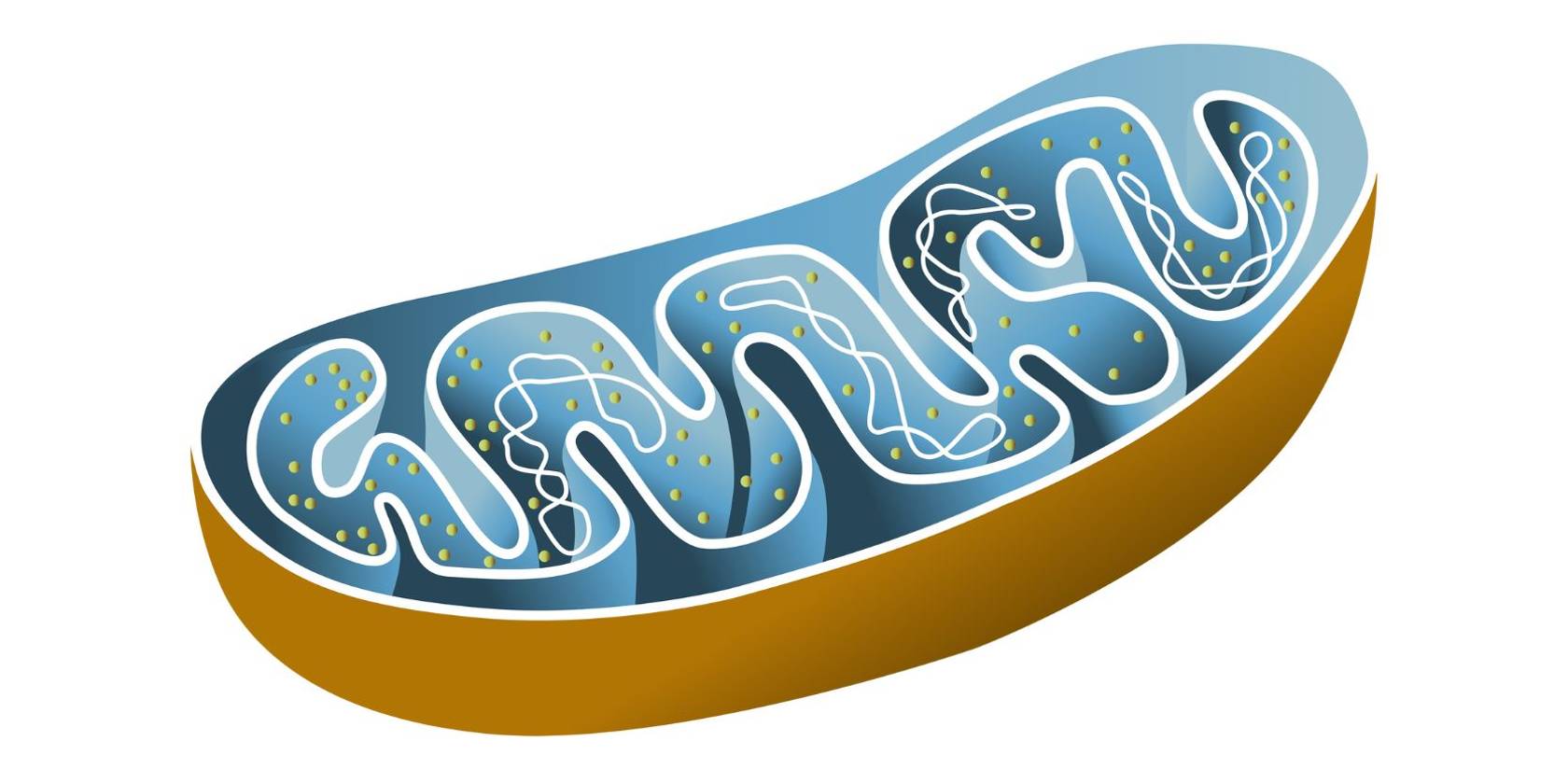
Mitochondrial dysfunction happens when these cellular power plants can't keep up with your body's energy demands. Think of it like this: your cells have tiny engines that convert food and oxygen into the fuel they need to run. When these engines are clogged or damaged, they don't produce enough fuel. At the heart of this process is oxidative phosphorylation, where mitochondria convert food and oxygen into adenosine triphosphate (ATP) — the molecule that powers nearly all biochemical processes in your body. Stress, inflammation, poor diet, lack of sleep, and exposure to toxins can all take a toll on your mitochondria. When they're compromised, everything suffers – from your brain to your muscles to your immune system. Over time, this can lead to chronic health problems.
Top 5 Signs of Mitochondrial Dysfunction
1. Chronic fatigue that won’t go away
If you feel constantly drained — even after a good night’s sleep — it could signal that your cells aren’t producing enough ATP. Fatigue and muscle weakness are the most common symptoms of mitochondrial dysfunction.
2. Brain fog and cognitive decline
Struggling to focus or experiencing memory lapses? The brain is highly dependent on mitochondrial energy. When ATP production falters, cognitive function often takes a hit.
3. Muscle weakness or exercise intolerance
Mitochondrial dysfunction can lead to muscle fatigue and weakness because your muscles aren’t getting the energy they need to perform. Exercise intolerance is another hallmark symptom.
4. Frequent illness or slow recovery
A sluggish immune system may be tied to poor mitochondrial health. Low energy output can impair the immune response, leaving you more vulnerable to infections, more lengthy recovery time, and autoimmune disease.
5. Premature aging
Mitochondria are crucial for skin repair and collagen production. Early fine lines, dull complexion, age spots, and slow recovery from sunburn and minor wounds are all potential signs your skin cells need an energy boost.
How to Energize Your Mitochondria
If you’re experiencing some of the signs above, there's good news! You can take immediate steps to recharge your cellular batteries:
Soak up some light
Give your cells the light they love! Red and near-infrared light can supercharge your mitochondria, helping them produce more energy. Catch some rays (safely!) and try a Celluma LED light therapy device for a convenient cellular energy boost on-demand.
Refuel with mitochondria-friendly foods
Think of your diet as premium gas for your cellular engines. Load up on colorful fruits and veggies, healthy fats, and foods rich in CoQ10, magnesium, and B vitamins. ³
Try intermittent fasting
Occasionally skipping meals can actually help your body clean out old, damaged mitochondria and grow new, healthier ones. It’s like spring cleaning for your cells.⁴
Steer clear of toxins
Your mitochondria are sensitive to environmental toxins. As much as possible, avoid pesticides, pollution, and other harmful chemicals to keep your cellular powerhouses running smoothly.
Stress less
Chronic stress can cause inflammation, which disrupts mitochondria function. Meditation, gentle yoga, or even a few deep breaths can work wonders for your cells. So, take a break, find your calm, and show your mitochondria some love!
By recognizing signs early and adopting healthy habits, you can help your mitochondria thrive so they can keep boosting your energy and overall health from the cellular level up!
References
- The Institute for Functional Medicine. The Relationship Between Chronic Fatigue and Mitochondrial Health. May 9, 2024.
- Mitochondrial Myopathies (MM)
- National Library of Medicine. Health Benefits of Fruits and Vegetables by Joanne Slavin and Beate Lloyd, July 2012.
- The Institute for Functional Medicine. Fasting and Mitochondrial Health, June 13, 2024.


